
To get the best out of your massage experience, it’s important to communicate openly and effectively with your massage therapist. Here are a few tips to enhance your session and maximize the benefits:
- Communicate your needs: Before the massage begins, have a short conversation with your therapist about your specific goals and any areas of concern. Whether you’re seeking relaxation, pain relief, or stress reduction, let them know. Discuss any medical conditions, injuries, or allergies you may have as well. This will help the therapist customize the massage techniques and pressure to suit your individual needs.
- Relax and let go: During the massage, it’s crucial to relax your mind and body. Take deep breaths and consciously release tension with each exhale. Allow the therapist’s skilled hands to work their magic without any unnecessary muscular tension. Clear your mind of distractions and focus on the sensations and benefits of the massage. If you feel any discomfort or the pressure is too intense, don’t hesitate to communicate with your therapist. Remember, they are there to ensure your comfort and well-being throughout the session.
By following these guidelines, you can optimize your massage experience and reap the full benefits of relaxation, pain relief, improved circulation, and overall well-being. Remember, communication and relaxation are key to getting the most out of your massage session. Enjoy the experience and allow your body and mind to fully unwind and rejuvenate.
A growing body of research indicates massage therapy can benefit the immune system to help prevent cold and flu during winter months.
People looking to fend off cold and flu as the winter months arrive should speak to a massage therapist about prevention strategies. Regular massages have been shown to make the immune system stronger, according to studies.
“Researchers working with patients with compromised immune systems have found massage therapy can improve how the immune system functions,” said Jeff Smoot, President of the American Massage Therapy Association (AMTA). “Those same benefits translate to people seeking to fight off the common cold, flu and other seasonal illnesses.”
Massage therapy increases the activity level of the body’s white blood cells that work to combat viruses. According to research from Cedars-Sinai, participants in a Swedish massage group experienced significant changes in lymphocytes, which play a large role in defending the body from disease.i A lymphocyte is one of the three subtypes of white blood cells in the immune system.
In a controlled study composed of HIV-positive adolescents, participants who received massage therapy showed enhanced immune function by the end of the 12-week study. The immune changes included increased white blood cells knowns as natural killer (NK) cells, which provide rapid responses to viral-infected cells.ii
An additional randomized study found women with stage 1 and 2 breast cancer may benefit from massage therapy for enhancing dopamine and serotonin while also increasing NK cell number and lymphocytes. Immediate massage benefits included reduced anxiety while the long-term impact increased serotonin values, natural killer cell numbers and lymphocytes,iii which work to strengthen the immune system and cognitive function during sickness.
https://www.prnewswire.com/news-releases/massage-therapy-may-boost-immune-system-to-combat-cold-flu-300171787.html
http://www.amtamassage.org
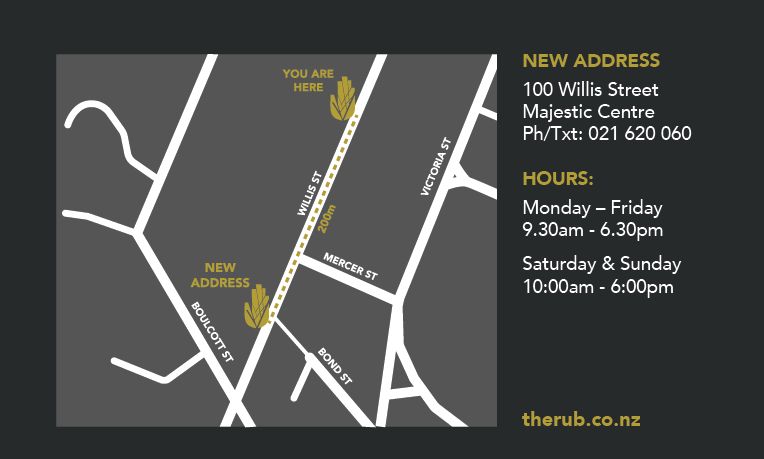
Our Wellington Store has moved to:
100 Willis Street, 200 metres up from our current store.
These days, many people are feeling the effects of an energy crisis. Not one within our environment—but one within our own bodies.
As a health and sleep expert, I know how important it is to get optimal sleep and feel well-rested.
That’s why I’m sharing five big issues behind our great energy depression and key tips to help turn it around:
1. Your sleep cycles aren’t optimized.
Even if you get the recommended seven to eight hours of sleep, you can still wake up feeling like a piñata after the party if you don’t optimize your sleep cycles.
Your sleep cycles are approximately 70 to 100 minutes each, cycling through phases of REM and non-REM sleep, plus all of the stages in between. Each phase is correlated with specific regeneration or detoxification of cells and organs throughout your body.
Factors like elevated cortisol (stress) levels and unstable blood sugar levels can throw off your sleep cycles. It doesn’t matter how much time you spend in bed if your sleep cycles are not healthy. Disrupted REM sleep, for example, has been found to be associated with mild psychological struggles such as irritability and difficulty concentrating.
How to fix it
Research suggests that getting more sunlight exposure in the morning can decrease cortisol levels later in the evening. You should also eat a well-balanced diet that’s focused on real food and avoid processed foods—good nutrition is foundational to keeping your blood sugar stable at night. A healthy diet can also help provide you with a number of key nutrients you need for great sleep, including potassium and vitamin D.
2. You’re deficient in crucial nutrients.
Your lack of energy could also be due to a lack of key nutrients. The main source of energy in our cells is something called adenosine triphosphate, or ATP. ATP is essentially the currency that runs your body’s economy, but it can’t make any real transactions without the banker. And that banker is magnesium.
Though ATP is the main source of energy in cells, it must be bound to a magnesium ion (Mg) to be biologically active. So, ATP is really Mg-ATP when it comes to making the magic happen in your body.
Magnesium is responsible for more than 300 enzymatic processes that help keep you energized and healthy.* If you’re deficient in magnesium, that’s more than 300 processes your body can’t effectively do. The end result is you feel totally wiped.
How to fix it
Magnesium gets zapped from your system pretty quickly because it’s involved in so much. To ensure you are supporting normal magnesium levels, a magnesium supplement can help.* There are also tons of delicious magnesium-rich foods like spinach, chard, and pumpkin seeds.
3. You’re not moving enough.
Don’t mistake the occasional workout for living an active lifestyle.
If you work out an hour a day and then sit around the rest of the time, you’re not much more active than the rest of the sedentary population. There’s even a new name for the growing class of people who try to balance out being desk-bound all day with some time in the gym: The Active Sedentary.
Of course, getting some exercise is clearly better than no exercise at all—but to bolster those energy levels we’ve got to get back to basics.
How to fix it
The reality is, we human beings don’t “get” energy; we create energy. By simply moving around, you can help combat your fatigue. If you’ve been sitting for a while, simply standing up and doing 50 jumping jacks or bodyweight squats will generate enough electrical wattage to instantly make you feel more energized. The positive boost in your hormones and neurotransmitters will make you feel more alive, too. Just try it out and see for yourself.
Set a timer on your phone to do two minutes of bodyweight exercises every 90 minutes. You’ll easily feel more charged up during the day.
4. You need to drink more fluids.
Cell dehydration can literally damage your DNA. Because of this, your brain and nervous system take dehydration very seriously. Even just a small drop in normal fluid balance in your body is enough to cause headaches and fatigue.
Most people hear about the importance of drinking plenty of water, but time and time again it’s overlooked as a reason for common health challenges. Your cells, tissues, and organs are all operating in a water medium. The more murky that water becomes, the more you start feeling symptoms of fatigue.
When you drink a glass of water, within mere minutes that water begins to become your blood and extracellular fluid and pushes out the used fluid that’s now littered with metabolic waste products. If you don’t drink enough water, then that stuff stays gummed up in your system. And you start to feel like a microwaved couch potato.
How to fix it
Make it a must to drink half of your body weight in ounces of water each day. So, a 150-pound person would make sure to get in 75 ounces, for example. Also, knock out a nice chunk of that first thing in the morning when you wake up: Give yourself an “inner bath” to start your day by drinking 20-30 ounces of water shortly after getting out of bed. This will set the pace and ensure that you become hydrated before the busyness of the day takes over.
5. Stress is getting the best of you.
According to research published in the Journal of the American Medical Association, as many as 80 percent of all physician visits are for stress-related issues. Stress is one of the biggest culprits in our mental and physical energy crisis today—and yet only three percent of patients receive stress management counseling during a doctor’s visit. Something definitely needs to change.
Stress suffocates your energy in a number of ways. With chronically elevated stress, your adrenal glands are forced to operate in maximum gear. This keeps cortisol and other stress hormones high. Excess cortisol leads to a surge of glucose to facilitate the perceived “fight-or-flight” situation you’re living in. This is your body’s attempt to make sure you’ve got the energy to run away from that man-eating lion (or run away from that overdue phone bill—because to your body, that stress is all the same).
How to fix it
Instead of running to caffeine or sugar for a pick-me-up, be more proactive in buffering stress in the first place. Simple breathing exercises can switch off your sympathetic (fight-or-flight) nervous system within a few seconds. Meditation, restorative yoga, massage therapy, and even moving meditations like qigong and tai chi are all clinically proven to reduce your body’s stress load and enhance energy and well-being.
Find a practice that works for you and implement it for just a few minutes a day. A simple 5-10 minute practice can buffer your brain and body against stress and ensure you have the energy to have the quality of life you deserve.
If you are pregnant, breastfeeding, or taking medications, consult with your doctor before starting a supplement routine. It is always optimal to consult with a health care provider when considering what supplements are right for you.
Original Article at:
https://www.mindbodygreen.com/0-25235/5-reasons-youre-tired-all-the-time-how-to-get-more-energy.html?mbg_mcid=777:5e2d10fb8b58b042197a82d6:ot:5c1c2caf9799ec3cc65ba021:1&mbg_hash=e11950d33442fe2323624aee4f33c0e9&utm_source=mbg&utm_medium=email&utm_campaign=daily_v2_20200126
Five Ways Massage Can Improve Your Health

Massage therapy is too often perceived as just a luxury, but it can play an important role in a health regimen. Here are five ways massage therapy can improve your health and wellness.
- Lower stress. The longterm effects of stress can take emotional and physical tolls. Massage therapy is proven to relieve stress and conditions associated with it, such as tension headaches.
- Increase immune function. Medical research indicates that massage therapy can help boost immune system strength by increasing the activity level of the body’s natural “killer T cells,” which fight off viruses.
- Boost mental health and wellness. Research suggests that symptoms of stress, anxiety and depression (all associated with mental health) may be directly affected with massage therapy.
- Manage pain. Pain can negatively affect a person’s quality of life and impede recovery from illness or injury. Recent findings highlight the role of massage in pain management.
- Improve physical fitness. Elite and recreational athletes alike can benefit from regular massage therapy—massage is proven to reduce muscle tension, improve exercise performance and prevent injuries.
For further info and links see HERE
3 Ways Massage Can Impact Your Self-Care
Stress, anxiety, and pain can dramatically restrict anyone’s lifestyle and negatively affect their overall health. Take care of yourself. Research on the benefits of massage therapy gives strong evidence for including massage as part of an approach to staving off pain and relieving stress and anxiety.

Stress
Anyone who has ever had a massage to relax knows its effect, but research shines a light on the science behind what takes place during massage. For more than 20 years, studies have shown some of the positive effects of massage therapy for relaxation. In a study on the effect of trigger point therapy1, there was a significant decrease in heart rate, systolic blood pressure8, and diastolic blood pressure8. Measures of oxygen consumption, blood pressure, and salivary cortisol levels were all lower after a 10 to 15 minute chair massage in controlled studies.2, 3, 4 Changes in psychological states have been measured by physiological responses1, 3, the Perceived Stress Scale5,6, the POMS Depression Scale4,5, and the Anxiety State Scale.4
Anxiety
Research continues to document the impact for relief of anxiety and depression for people in a wide range of health situations.8, 9, 10, 11 For example, one randomized study found women with stage 1 and stage 2 breast cancer benefited from regular massage therapy sessions. The immediate massage benefits included reduced anxiety, depressed mood and anger, while the long-term impact reduced depression and increased serotonin values. Serotonin, a neurotransmitter with functions in various parts of the body, works to regulate mood, appetite, sleep, memory and learning.
Pain
From the muscle strain and soreness when you overdo it to serious or chronic pain, massage therapy is showing positive results. Consumers are learning its value, as 41 percent of American adults who had a massage in the past five years indicate they sought it for pain relief.12
A meta-analysis of research on massage therapy for pain conducted by Samueli Institute in 2016 concluded that massage therapy should be strongly recommended for pain management. The analysis reviewed 67 published studies on the impact of massage therapy on pain.13
References
1. Delaney, J.P., Leong, K.S., Watkins, A., & Brodie, D. (2002). The short-term effects of myofascial trigger point massage therapy on cardiac autonomic tone in healthy subjects. Journal of Advanced Nursing, 37, 364-71.
2. Boone, T., Tanner, M., & Radosevich, A. (2001). Effects of a 10-minute back rub on cardiovascular responses in healthy subjects. American Journal of Chinese Medicine. 29, 47-52.
3. Cady, S. H., & Jones, G. E. (1997). Massage therapy as a workplace intervention for reduction of stress. Perceptual & Motor Skills, 84, 157-158.
4. Field, T., Ironson, G., Scafidi, F., Nawrocki, T., Goncalves, A., Burman, I., Pickens, J., Fox, N., Schanberg, S., & Kuhn, C. (1996). Massage therapy reduces anxiety and enhances EEG pattern of alertness and math computations. International Journal of Neuroscience, 86, 197-205.
5. Brennan, M.K. & DeBate, R. (2004).The effect of chair massage on stress perception of hospital bedside nurses. Massage Therapy Journal 43, (1), 76-86.
6. Field, T., Quintino, O., Henteleff, T., Wells-Keife, L., & Delvecchio-Feinberg, G. (1997). Job stress reduction therapies. Alternative Therapies in Health and Medicine, 3, (4), 54-56.
7. MacDonald, G. (1998). Massage offers respite for primary care givers. The American Journal of Hospice & Palliative Care, Jan/Feb, 43-47.
8. Jane, S.W., Wilkie, D.J., Gallucci, B.B., Beaton, R.D., Huang, H.Y. (2009). Effects of a Full-Body Massage on Pain Intensity, Anxiety, and Physiological Relaxation in Taiwanese Patients with Metastatic Bone Pain: A Pilot Study. J Pain Symptom Manage. 37(4):754-63.
9. Imanishi, J., Kuriyama, H., Shigemori, I., Watanabe, S., Aihara, Y., Kita, M., Sawai, K., Nakajima, H., Yoshida, N., Kunisawa, M., Kawase, M., Fukui, K. (2007). Anxiolytic Effect of Aromatherapy Massage in Patients with Breast Cancer. Evid Based Complement Alternat Med.
10. Smith, M., Reeder, F., Daniel, L., Baramee, J., Hagman, J. (2003). Outcomes of touch therapies during bone marrow transplant. Alternative Therapies in Health and Medicine, 9(1) 40-49.
11. Hughes, D., Ladas, E., Rooney, D., Kelly, K. (2008). Massage therapy as a supportive care intervention for children with cancer. Oncol Nurs Forum, 35(3):431-42.
12. American Massage Therapy Association annual consumer survey conducted by ORC International, July 2017.
13. Crawford C, Boyd C, Paat C, et al. The Impact of Massage Therapy on Function in Pain Populations – A Systematic Review and Meta-analysis of Randomized Controlled Trials: Part I, Patients Experiencing Pain in the General Population. Pain Medicine, first published online: 10 May 2016.
https://www.amtamassage.org/research/Massage-Therapy-Research-Roundup/Research-Roundup–Benefits-of-Massage-Therapy-for-Self-Care.html
5 Sports Massage Benefits
From beginner athletes to elite competitors, massage therapy offers a variety of important health benefits. Learn more about how you can benefit from adding massage therapy to your fitness regime.
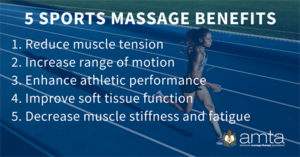
Individuals who participate in exercise and athletic programs who seek enhanced performance, improved conditioning, faster recovery, injury prevention and assistance in maintaining peak fitness can benefit from massage therapy.
https://www.amtamassage.org/articles/1/News/detail/3574/5-sports-massage-benefits
Stress, anxiety, and pain can dramatically restrict anyone’s lifestyle and negatively affect their overall health. Take care of yourself. Research on the benefits of massage therapy gives strong evidence for including massage as part of an approach to staving off pain and relieving stress and anxiety.
Stress
Anyone who has ever had a massage to relax knows its effect, but research shines a light on the science behind what takes place during massage. For more than 20 years, studies have shown some of the positive effects of massage therapy for relaxation. In a study on the effect of trigger point therapy1, there was a significant decrease in heart rate, systolic blood pressure8, and diastolic blood pressure8. Measures of oxygen consumption, blood pressure, and salivary cortisol levels were all lower after a 10 to 15 minute chair massage in controlled studies.2, 3, 4 Changes in psychological states have been measured by physiological responses1, 3, the Perceived Stress Scale5,6, the POMS Depression Scale4,5, and the Anxiety State Scale.4
Anxiety
Research continues to document the impact for relief of anxiety and depression for people in a wide range of health situations.8, 9, 10, 11 For example, one randomized study found women with stage 1 and stage 2 breast cancer benefited from regular massage therapy sessions. The immediate massage benefits included reduced anxiety, depressed mood and anger, while the long-term impact reduced depression and increased serotonin values. Serotonin, a neurotransmitter with functions in various parts of the body, works to regulate mood, appetite, sleep, memory and learning.
Pain
From the muscle strain and soreness when you overdo it to serious or chronic pain, massage therapy is showing positive results. Consumers are learning its value, as 41 percent of American adults who had a massage in the past five years indicate they sought it for pain relief.12
A meta-analysis of research on massage therapy for pain conducted by Samueli Institute in 2016 concluded that massage therapy should be strongly recommended for pain management. The analysis reviewed 67 published studies on the impact of massage therapy on pain.13
References
1. Delaney, J.P., Leong, K.S., Watkins, A., & Brodie, D. (2002). The short-term effects of myofascial trigger point massage therapy on cardiac autonomic tone in healthy subjects. Journal of Advanced Nursing, 37, 364-71.
2. Boone, T., Tanner, M., & Radosevich, A. (2001). Effects of a 10-minute back rub on cardiovascular responses in healthy subjects. American Journal of Chinese Medicine. 29, 47-52.
3. Cady, S. H., & Jones, G. E. (1997). Massage therapy as a workplace intervention for reduction of stress. Perceptual & Motor Skills, 84, 157-158.
4. Field, T., Ironson, G., Scafidi, F., Nawrocki, T., Goncalves, A., Burman, I., Pickens, J., Fox, N., Schanberg, S., & Kuhn, C. (1996). Massage therapy reduces anxiety and enhances EEG pattern of alertness and math computations. International Journal of Neuroscience, 86, 197-205.
5. Brennan, M.K. & DeBate, R. (2004).The effect of chair massage on stress perception of hospital bedside nurses. Massage Therapy Journal 43, (1), 76-86.
6. Field, T., Quintino, O., Henteleff, T., Wells-Keife, L., & Delvecchio-Feinberg, G. (1997). Job stress reduction therapies. Alternative Therapies in Health and Medicine, 3, (4), 54-56.
7. MacDonald, G. (1998). Massage offers respite for primary care givers. The American Journal of Hospice & Palliative Care, Jan/Feb, 43-47.
8. Jane, S.W., Wilkie, D.J., Gallucci, B.B., Beaton, R.D., Huang, H.Y. (2009). Effects of a Full-Body Massage on Pain Intensity, Anxiety, and Physiological Relaxation in Taiwanese Patients with Metastatic Bone Pain: A Pilot Study. J Pain Symptom Manage. 37(4):754-63.
9. Imanishi, J., Kuriyama, H., Shigemori, I., Watanabe, S., Aihara, Y., Kita, M., Sawai, K., Nakajima, H., Yoshida, N., Kunisawa, M., Kawase, M., Fukui, K. (2007). Anxiolytic Effect of Aromatherapy Massage in Patients with Breast Cancer. Evid Based Complement Alternat Med.
10. Smith, M., Reeder, F., Daniel, L., Baramee, J., Hagman, J. (2003). Outcomes of touch therapies during bone marrow transplant. Alternative Therapies in Health and Medicine, 9(1) 40-49.
11. Hughes, D., Ladas, E., Rooney, D., Kelly, K. (2008). Massage therapy as a supportive care intervention for children with cancer. Oncol Nurs Forum, 35(3):431-42.
12. American Massage Therapy Association annual consumer survey conducted by ORC International, July 2017.
13. Crawford C, Boyd C, Paat C, et al. The Impact of Massage Therapy on Function in Pain Populations – A Systematic Review and Meta-analysis of Randomized Controlled Trials: Part I, Patients Experiencing Pain in the General Population. Pain Medicine, first published online: 10 May 2016.
Article from AMTA, see www.amtamassage.org
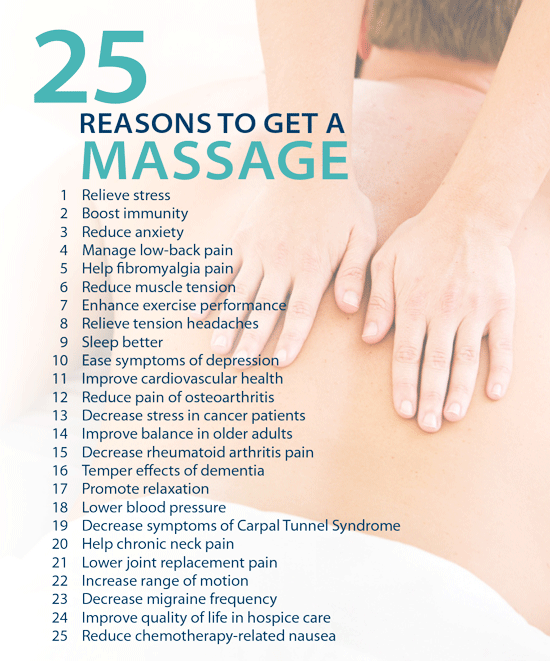
A growing body of research supports the health benefits of massage therapy for conditions such as stress, fibromyalgia, chronic pain and more.
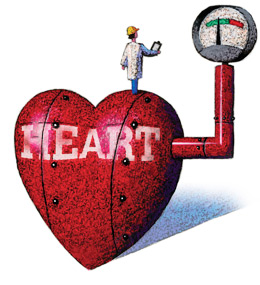
Massage Therapy Can Help Lower Blood Pressure & Control Stress
In a recent study in the International Journal of Preventive Medicine, researchers concluded massage therapy could serve as an effective intervention in controlling blood pressure in pre-hypertensive women. The study showed that the immediate results of lowered blood pressure lasted up to 72 hours after massage. FULL STUDY »